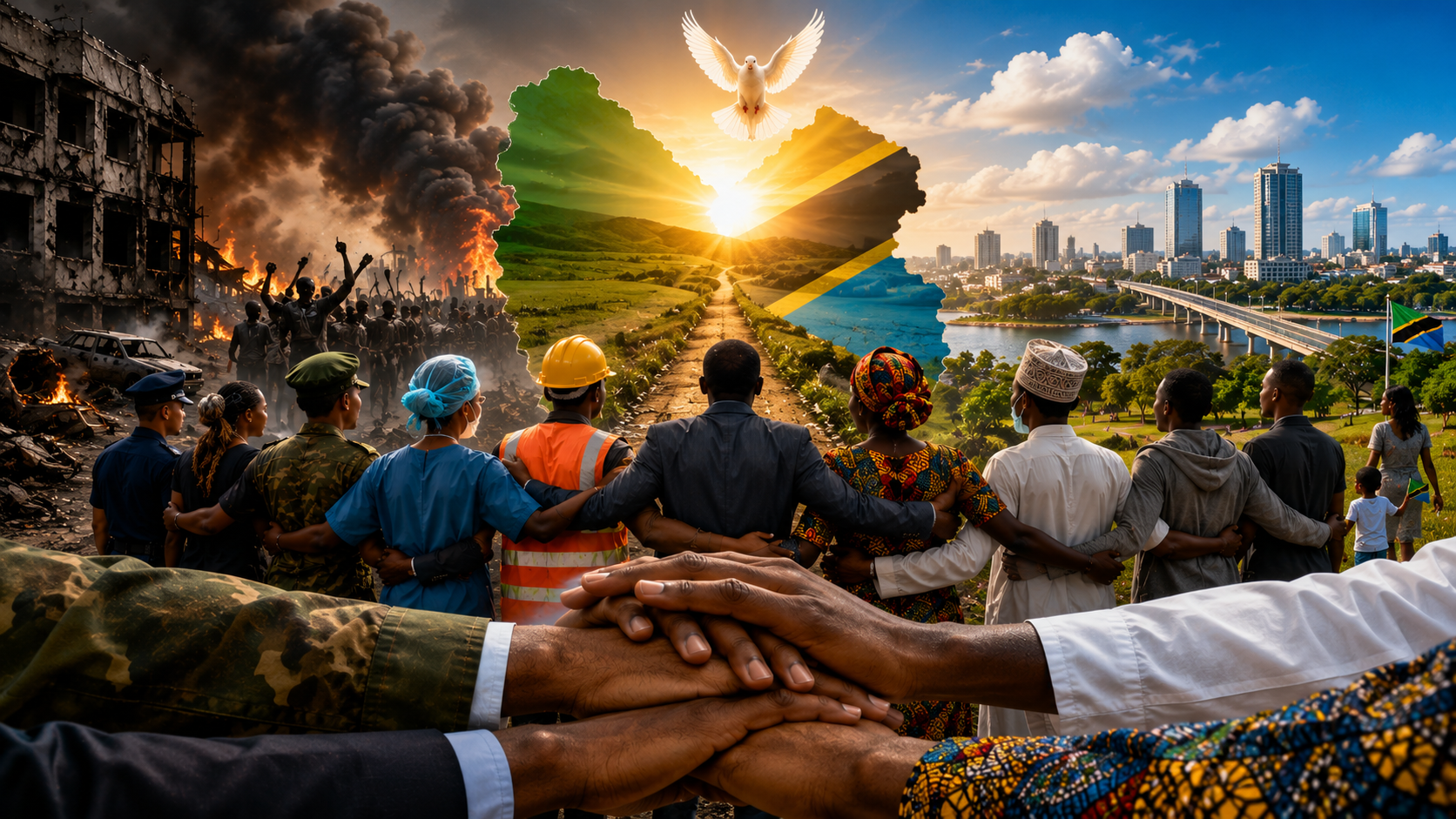
DAR ES SALAAM - Huku Tanzania inavyokaribia kutolewa kwa ripoti ya Tume ya Uchunguzi kuhusu matukio ya Oktoba 29, 2025, hali ya **tari** na **matumaini** inazidi kujengwa nchini kote. Wakati huu unazidi kuonekana si tu kama tafakari ya changamoto zilizopita, bali kama fursa muhimu ya kugeuza mafunzo yaliyopatikana kuwa **mageuzi** yenye maana ambayo yataimarisha umoja wa taifa na uwezo wa taasisi kuwa thabiti zaidi.
Ripoti inayokaribia kutolewa inakuja wakati Tanzania inaendelea kuthibitisha sifa yake ya muda mrefu ya amani, utulivu na mshikamano wa kijamii. Ingawa machafuko ya Oktoba 29 yalikuwa tukio lisilo la kawaida, yalichochea pia majibu yenye kujenga kutoka kwa taifa—majibu ambayo yalitanguliza uwajibikaji, mazungumzo na mipango ya mbele. Kuanzishwa kwa haraka kwa tume huru kulionyesha dhamira wazi ya uwazi na utayari wa kukabiliana na masuala magumu kwa uwazi na uwajibikaji.
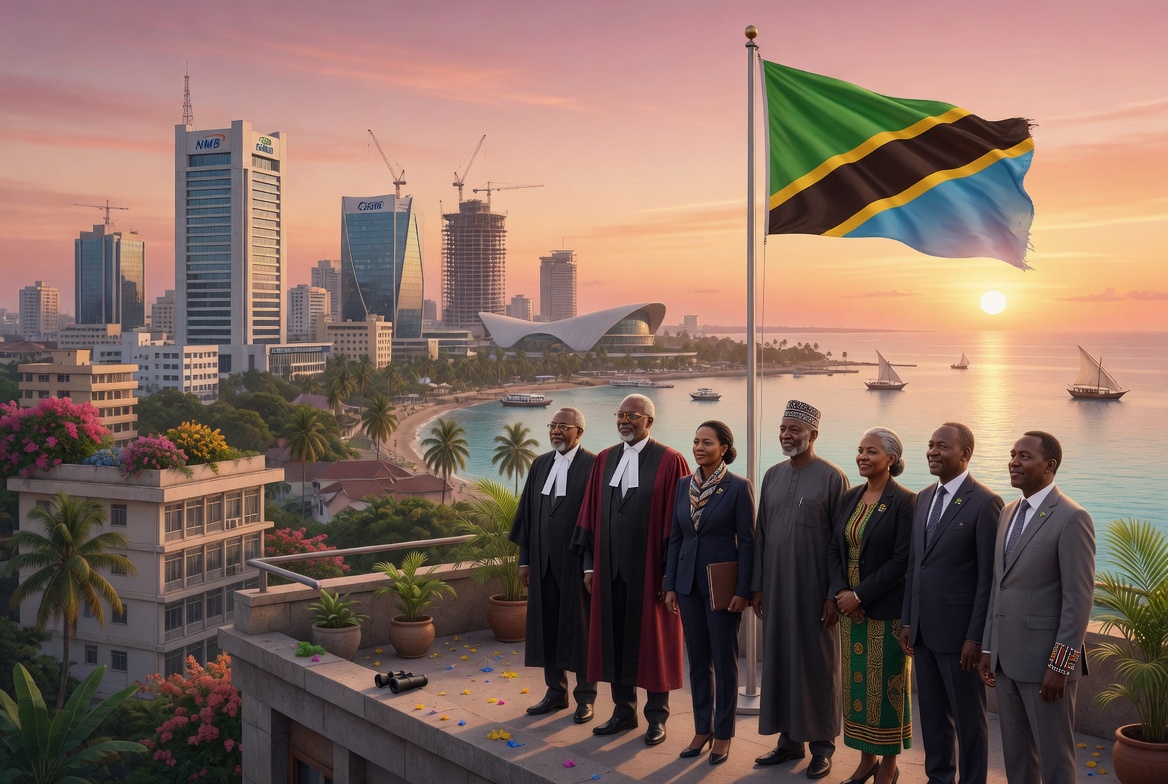
Msingi wa imani inayozidi kujengwa miongoni mwa umma ni nguvu na uaminifu wa timu ya uchunguzi yenyewe. Tume hii inawaleta pamoja wataalamu mashuhuri ambao utaalamu wao wa pamoja unahusu mahakama, utawala, diplomasia na usalama—nguzo muhimu katika kusafiri na kutatua changamoto ngumu za kitaifa.
Anayeongoza tume ni Aliyekuwa Jaji Mkuu **Mohamed Chande Othman**, ambaye sifa yake ya uadilifu na uhuru imejengwa na kazi zake za ndani na za kimataifa. Uongozi wake wa jopo la Umoja wa Mataifa lililochunguza kifo cha aliyekuwa Katibu Mkuu Dag Hammarskjöld ulionyesha uwezo wake wa kukabiliana na uchunguzi mgumu unaohusisha ushahidi nyeti na uchunguzi wa kimataifa. Uzoefu huo unaendelea kuimarisha imani katika uwezo wake wa kuongoza uchunguzi wa kina na wa usawa.
Anayemsaidia ni Aliyekuwa Jaji Mkuu **Ibrahim Hamis Juma**, anayetambuliwa kwa kuendesha mageuzi ya vitendo ndani ya mahakama. Kipindi chake kilishuhudia maboresho katika ufanisi, uwazi na utoaji wa huduma, ikiwemo juhudi za kupunguza mrundikano wa kesi na kusasaisha mifumo ya mahakama. Michango hii haikuimarisha utendaji wa taasisi pekee, bali pia iliimarisha imani ya umma katika mfumo wa haki.
Upeo wa tume unazidi kuimarishwa na utaalamu wa diplomasia wenye uzoefu. Balozi **Ombeni Sefue** analeta uzoefu mkubwa katika mapitio ya utawala na mageuzi ya sekta ya umma, ikiwemo ushiriki katika mipango ya bara kama vile Utaratibu wa Ukaguzi wa Kitaalamu wa Kiafrika. Maarifa yake kuhusu tathmini ya taasisi na maendeleo ya sera yanatarajiwa kuchukua jukumu muhimu katika kuunda mapendekezo yanayoweza kutekelezwa.
Zaidi ya hayo, Balozi **David Kapya** na Meja Jenerali mstaafu **Paul Ignace Mella** wanachangia mitazamo muhimu inayotokana na ujenzi wa amani ya kikanda na operesheni za usalama wa kimataifa. Ushiriki wao katika upatanishi na juhudi za kulinda amani katika nchi kama Sudan, Burundi na eneo la Darfur unatoa ufahamu wa vitendo kuhusu mienendo ya migogoro na mikakati ya kuisuluhisha.
Kutoka upande wa usalama, Aliyekuwa Inspekta Mkuu wa Polisi **Said Ally Mwema** anaongeza maarifa muhimu ya kiutendaji. Uongozi wake katika kuendeleza polisi ya jamii, kuimarisha uratibu wa upelelezi na kujenga ushirikiano na umma ulichangia kuboresha imani kati ya vyombo vya kutekeleza sheria na jamii. Uzoefu huu ni muhimu hasa katika kutathmini majibu ya taasisi na kutambua maeneo ya mageuzi ya kinga.
Kwa ujumla, tume inaonyesha uwiano wa makusudi wa utaalamu na uzoefu. Wanachama wake wamechanga mara kwa mara katika mipango iliyozalisha matokeo halisi—kutoka mageuzi ya kisheria na kitaasisi hadi utatuzi wa migogoro na maboresho ya utawala. Rekodi yao inaonyesha uwezo mkubwa si tu wa kuchambua matukio kwa kina, bali pia wa kugeuza matokeo kuwa mapendekezo ya vitendo na yanayoweza kutekelezwa.
Muhimu zaidi, baadhi ya wanachama wa tume wamewahi kufanya kazi pamoja katika kazi za kitaifa, ikiwemo mapitio ya mfumo wa haki ya uhalifu na mifumo pana ya utawala. Ushirikiano huo ulizalisha ripoti za kina ambazo ziliathiri marekebisho halisi ya sera, ikionyesha mtazamo wa pamoja wa uchunguzi wa kina na fikra inayolenga suluhisho.
Huku nchi ikitazama mbele, matarajio yanayohusu ripoti yanazidi zaidi ya kuanzisha ukweli. Kuna imani inayozidi kukua kwamba matokeo yatatoa ufahamu wa kina kuhusu sababu za msingi, kutathmini majibu ya taasisi na kutoa njia wazi za mageuzi. Mtazamo huu unaoangalia mbele ndio msingi wa kugeuza uchunguzi kutoka wakati wa kutafakari kuwa kichocheo cha maendeleo.
Mkazo wa mageuzi pia unaoana na mwelekeo mpana wa maendeleo wa Tanzania, ambapo utulivu na utawala bora bado ni nguzo muhimu za ukuaji wa kiuchumi na imani ya uwekezaji. Kwa kushughulikia changamoto kwa uwazi na kuimarisha mifumo ya taasisi, nchi inajiweka katika nafasi ya kudumisha mazingira yanayofaa kwa wadau wa ndani na wa kimataifa.
Hatimaye, athari ya uchunguzi itapimwa si tu kwa uwazi unaoutoa, bali kwa kiwango ambacho mapendekezo yake yatakubaliwa na kutekelezwa. Ishara za awali zinaonyesha kwamba mchakato wenyewe tayari umeimarisha imani ya umma, ukionyesha kwamba taasisi za kitaifa zinaweza kujibu kwa kujenga katika hali ngumu.
Huku matumaini yakiendelea kujenga, Tanzania inasimama katika kipindi muhimu—kipindi kinachotoa fursa ya kugeuza uzoefu kuwa mageuzi, kuimarisha umoja na kuimarisha misingi ya mustakabali thabiti zaidi.